



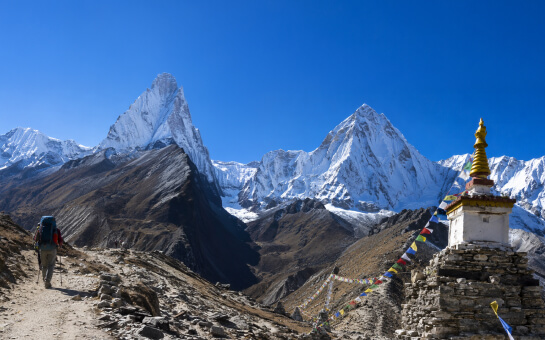
Nepal is home to some of the world's most important pilgrimage destinations. Many routes pass through remote mountain regions where high elevation, limited infrastructure, and unpredictable weather add challenges beyond ordinary travel. Nepal also serves as the starting point for many international pilgrims traveling to Mount Kailash and Lake Mansarovar.
Protecting yourself extends beyond physical preparation. Pilgrimage requires careful planning before departure. Careful preparation can reduce avoidable disruptions throughout the journey.
Permit Requirements
Permit requirements vary by destination and nationality. Many sites within Nepal require only standard travel documents, while Kailash Mansarovar Yatra involves additional permits arranged through authorized tour operators. Permit applications often require supporting documents and processing time. Early preparation reduces the risk of delays before departure.
- Confirm entry requirements before booking travel. Permit and visa requirements can differ across pilgrimage routes, even within the same itinerary. Verifying documentation before confirming flights or tour reservations reduces the risk of travel disruptions later.
- Allow enough time for permit processing. Applications may require supporting documents or corrections before approval. Starting early provides time to complete additional requirements without affecting departure plans.
- Keep travel documents accessible throughout the journey. Airport check-in, border crossings, hotel registration, and security inspections may require passports, permits, visas, or tour confirmations. Store printed and digital copies separately in case one set becomes unavailable.
- Review travel plans after permits are issued. Changes to departure dates, entry points, or organized tours can affect previously approved permits. Confirm that travel documents remain valid before the journey begins.
Medical Preparation
Pilgrimage routes place physical demands on the body that differ from ordinary travel. A medical evaluation before departure provides an opportunity to discuss planned activities, review existing medical conditions, and address concerns that could affect the journey.
- Prepare for the physical demands of the pilgrimage. Consecutive days of walking, steep ascents, uneven terrain, and higher elevations place greater demands on the body than ordinary travel. Gradually increase walking distance before departure. Break in hiking shoes or boots well in advance to reduce the risk of discomfort and blisters during the pilgrimage.
- Discuss the itinerary with a healthcare provider. A planned route, expected elevation, walking distances, and trip duration provide important context during a pre-travel consultation. A healthcare provider can identify health risks associated with planned activities and recommend appropriate precautions.
- Assess chronic medical conditions before departure. Heart disease, lung disease, diabetes, and other pre-existing conditions may require additional planning before a high-altitude pilgrimage. Medication schedules, treatment plans, and follow-up care should remain consistent throughout the trip.
- Carry enough prescription medication for the entire itinerary. Weather, transportation disruptions, or itinerary changes can extend travel beyond the original return date. Pack extra medication in its original labeled container and keep it in carry-on luggage.
- Complete recommended vaccinations and preventive care. Destination-specific recommendations vary according to travel plans and personal health history. Schedule appointments early enough for vaccines or preventive medications to take effect before departure.
High-Altitude Safety Considerations
Many pilgrimage routes in Nepal reach elevations where oxygen levels are lower than at sea level. Higher elevations place greater physical demands on the body. Mountain weather can change quickly. High-altitude travel requires additional preparation before departure.
- Choose an itinerary with adequate acclimatization time. Review the planned route before booking the pilgrimage. Itineraries that gain elevation too quickly increase the risk of altitude illness.
- Learn to recognize symptoms of altitude illness. Headache, nausea, dizziness, fatigue, shortness of breath, and loss of appetite are common warning signs. Recognizing symptoms before departure prepares travelers to respond appropriately if they develop during the pilgrimage.
- Pack clothing for changing mountain conditions. Temperatures, wind, rain, and sunlight can change throughout the day. Layered clothing, waterproof outerwear, sun protection, and appropriate footwear are suitable for a wide range of conditions without adding unnecessary bulk.
- Understand how the pilgrimage will be conducted. Organized groups may adjust walking pace, rest days, departure times, or daily routes in response to weather or trail conditions. Reviewing the itinerary and discussing expectations with the tour operator before departure provides a clearer understanding of the journey.
Insurance Checklist
A travel medical plan that works well for a cruise vacation or a simple trip to Nepal may not provide the same protection for a high-altitude pilgrimage. Before getting Nepal pilgrimage travel insurance, compare plans that match your itinerary, planned activities, destinations, and medical needs.
- Choose emergency medical coverage that matches the pilgrimage. Medical care is not always available near pilgrimage routes, and treatment may begin at a local clinic before continuing at a larger medical facility. Coverage that reflects the destinations, planned activities, and potential medical needs of the pilgrimage provides stronger financial protection if treatment becomes necessary. High-altitude insurance coverage may also be available under some travel insurance plans, depending on the policy and the activities included in the pilgrimage.
- Evaluate emergency medical evacuation benefits. Serious illness or injury may require transportation to another medical facility when specialized care is unavailable nearby. Transportation depends on the patient's condition, the urgency of medical needs, local resources, weather conditions, and terrain. Emergency medical transportation alone can exceed the cost of medical treatment, making pilgrimage medical evacuation coverage worth careful consideration before departure.
- Consider trip cancellation and trip interruption benefits. Pilgrimages often involve prepaid flights, accommodations, permits, organized tours, and ground transportation arranged months before departure. A covered disruption affecting one part of the itinerary may also affect the rest of the journey, increasing financial losses when reservations cannot be used as planned.
- Verify that planned pilgrimage activities are covered. Many pilgrimage routes include extended walking at higher elevations and other physically demanding activities. Insurance policies may classify trekking, hiking, mountain climbing, or pilgrimage activities differently, even when the primary purpose of the trip is religious. Review activity definitions before selecting a plan.
- Protect personal belongings with appropriate baggage coverage. Pilgrimage travel may involve several flights, transfers, and overnight stops before reaching the route’s starting point. Delayed, lost, or damaged baggage can leave travelers without appropriate clothing, essential gear, prescription medication, or important travel documents during the pilgrimage.
Coverage, benefit limits, exclusions, eligibility requirements, and policy definitions vary across travel insurance for pilgrimage. Review Nepal travel medical insurance policy documents carefully before purchasing coverage.
Before You Depart
A pilgrimage is more than a trip to another destination. For many travelers, it marks the fulfillment of a lifelong spiritual goal or a deeply personal commitment. Careful preparation improves readiness for the journey, but conditions in the mountains do not always follow the itinerary.
Respect the physical demands of the journey as much as its spiritual significance. Listen to your body, follow guidance from healthcare providers and pilgrimage leaders, and avoid pushing beyond personal limits. Slowing down, taking time to rest, or seeking medical attention when necessary can protect your health and the opportunity to complete the pilgrimage safely.
Your Insurance Questions Answered
We're more than just your broker; we're your partner. Get fast answers to nearly any insurance question from our expert agents or use the power of our proprietary database.