



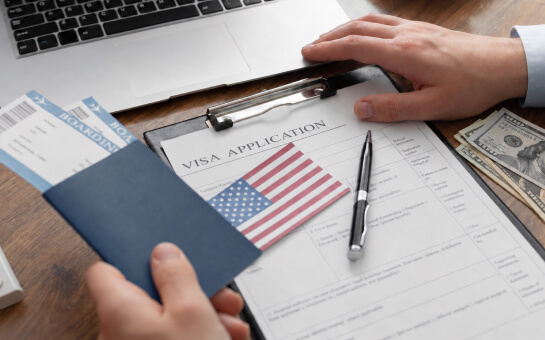
A visit may start with simple plans: spending time with family after months or years apart, exploring a new city, attending a special event, or finally taking a long-awaited trip. Airfare may be the first cost that comes to mind. As the trip details come together, the budget may include visa and entry fees, accommodations, transportation, and daily expenses.
The cost of traveling to the U.S. in 2026 can look different for each visitor. A realistic budget gives travelers and their families a clearer idea of how much to prepare and where the biggest expenses may come from. Planning around current costs can keep spending more predictable.
U.S. Visa and Entry Fees in 2026
US visitor visa fees 2026 can include application, issuance, and entry-related charges. The One Big Beautiful Bill Act became law in July 2025 and changed several immigration fees. Federal fiscal year 2027 started on October 1, 2026, which means travelers may see updated fee amounts. Travelers may pay different fees based on the visa or travel authorization they use.
Visitor Visa Application Fee
A parent may be coming to the U.S. to stay with family. A traveler may be planning a month-long vacation. A business traveler may be attending meetings or a conference. Travelers visiting the U.S. for tourism or family visits may need a B-2 visa, while short business trips may require a B-1 visa. The application fee for B-1 and B-2 visitor visas is $185.
Other nonimmigrant visa categories have different application fees:
- F, J, and M visas: $185
- H, L, O, P, Q, and R visas: $205
- E visas: $315
- K visas: $265
Applicants pay the fee as part of the visa application process. The fee is nonrefundable, even if the visa is denied. Some travelers may pay an additional visa issuance fee after approval based on nationality and visa category.
Visa Integrity Fee
The Visa Integrity Fee applies to travelers who are issued a nonimmigrant visa. A nonimmigrant visa allows a temporary stay in the U.S. for a specific purpose, such as tourism, business, study, or temporary work.
The Visa Integrity Fee is at least $250. The amount will be adjusted each year for inflation. Travelers pay the Visa Integrity Fee when the visa is issued. The fee is in addition to the regular visa application fee.
Travelers with B-1 or B-2 visitor visas must pay the fee. The requirement applies to other nonimmigrant visa holders, including students, exchange visitors, and temporary workers. The amount due follows the rate in effect when the visa is issued.
ESTA Fee
A traveler from a Visa Waiver Program (VWP) country may use the Electronic System for Travel Authorization (ESTA) for a short tourism or business trip of up to 90 days to the U.S. without a visa, instead of applying for a visitor visa. ESTA allows qualified travelers to travel to the U.S. under the VWP.
The ESTA fee is $40.62 for fiscal year 2027. Travelers pay it when submitting an ESTA application. If the application is denied, they are charged only the $10.62 processing portion.
Hotel Costs
Travelers staying with family or friends may spend little or nothing on accommodations. Others may need a hotel for part of the trip or for their entire stay. For travelers paying for a room every night, costs can add up and take up a significant portion of the trip budget.
Around $150 per night is a reasonable starting point for many U.S. hotel stays. In many major U.S. cities, average hotel rates fall around $120 to $200 per night. Less expensive cities may have lower average rates, while more expensive areas can see rates climb considerably. During holidays, major events, or other busy travel periods, hotel prices may increase. Staying near major attractions or in popular neighborhoods, such as Midtown Manhattan or SoHo, can raise prices, particularly in cities with strong hotel demand. In New York City, nightly rates may average around $300 to $350, with higher prices during busy travel seasons or at higher-end properties.
The rates provide a general reference for accommodation budgeting. Actual nightly prices vary by property, location, travel dates, room type, and availability. Travelers should include taxes, parking, and other hotel fees when estimating the total cost of their stay.
Rental Car Costs
A rental car may be useful when a trip includes spread-out places or locations that are hard to reach by public transportation. Travelers staying with relatives outside the city may need a car for errands, visits, and day trips. If family or friends can provide rides, transportation costs may stay much lower.
Rental car rates are usually around $40 to $70 per day for many standard vehicles. Fuel adds another expense, especially for road trips or other long drives. Some U.S. car rental companies rent out electric vehicles, which may cost around $50 to $80 per day for many common models. Charging fees can cost less than gasoline, but longer drives may require more planning around charging stops and availability. Tolls, parking, taxes, added drivers, and other rental charges can increase the total rental cost.
The rental car rates are general estimates. Actual prices can vary by location, vehicle, travel dates, rental length, and availability.
Other Costs
Travelers may underestimate the smaller costs in a U.S. visit. “How expensive is it to visit the USA?” matters less than knowing where the budget is likely to go.
Food and Dining Costs
A parent staying with their child may eat most meals at home. A professional traveling for meetings may rely more on hotel breakfasts, cafes, takeout, or restaurants between appointments.
A casual meal may cost around $10 to $20, while a sit-down lunch may run around $15 to $30. Dinner can reach $25 to $50 or more per person in larger cities or full-service restaurants. Groceries and home-cooked meals can keep food costs lower during a longer stay.
Tipping and Service Costs
Tipping varies by service, but 15% to 20% is a useful general range when gratuity is expected. At full-service restaurants, diners typically leave 15% to 20% based on the bill before tax. Hotel assistance, housekeeping, and similar services may use a flat dollar amount.
Travelers should check the bill before adding a tip, as some businesses automatically include a service charge.
Local Transportation Costs
Public transportation may cost around $2 to $3 per ride in many major U.S. cities. Rideshare and taxi trips can cost more, particularly for longer distances or airport travel.
A visitor staying near a subway or bus line may spend only a few dollars getting around, whereas someone staying farther from public transit may rely more on taxis or rideshare services for daily trips.
Attraction and Activity Costs
A family with kids might spend a day at a theme park. Adults may be more interested in a concert, comedy show, casino, nightclub, or sporting event. A business traveler with a spare evening may use the time for one local attraction before heading home.
For many paid attractions and activities, travelers may want to budget around $50 to $200 per person. Major arena concerts, premium sporting events, or high-demand experiences can cost $300 and up per person.
Everyday Costs
Small purchases can add up quickly. Mobile data, laundry, toiletries, snacks, drinks, or other daily essentials may cost $10 to $30 per day. Setting aside a modest amount for routine expenses can keep your larger trip funds intact.
Visitor Medical Insurance Costs
No one wants to get sick or injured during an international trip. A sudden fever, a fall, a stable pre-existing condition flaring up, or an urgent care visit can leave a traveler with medical bills that were never part of the original budget. Visitor medical insurance belongs in the trip budget, especially when one unexpected medical bill in the U.S. can cost far more than the premium.
An uninsured traveler may have to pay the full cost of care out of pocket. An urgent care visit can cost a few hundred dollars. An emergency room visit can run into the thousands. A hospital stay can cost several thousand dollars per day, even before adding lab work, scans, and procedures.
Budget Insurance Costs
Lower-cost visitors insurance can cost around $1 to $3 per day. The sample rates use 30-year-old and 60-year-old travelers from India, visiting the U.S. for 30 days with a $50,000 policy maximum and a $100 deductible.
Safe Travels Elite, Safe Travels Elite PPO, and VisitorSecure insurance plans may offer budget-friendly rates for younger and middle-aged travelers. Premium rates can increase with age, higher policy maximums, lower deductibles, and other coverage needs.
Mid-Tier Insurance Costs
Mid-tier travel medical insurance for visitors to USA may cost around $7 to $16 per day. The sample rates use travelers aged 65 to 75, a $250 deductible, and the lowest available medical maximum.
The sample rates use Safe Travels USA Comprehensive, Atlas America, Patriot America Plus, and Beacon America insurance plans. Younger travelers may pay less, while higher medical maximums, lower deductibles, older age, and other coverage selections can increase the premium.
High-Tier Insurance Costs
Higher-tier visitors insurance can include added protection beyond core medical coverage, such as coverage for eligible pre-existing conditions. For older travelers, sample rates may cost around $13 to $36 per day, depending on age, medical maximum, deductible, and the scope of pre-existing condition coverage. Younger travelers may pay less even under plans with broader benefits.
The estimates use the Safe Travels Complete and Visitors Protect as sample plans. Travelers seeking added protection for pre-existing conditions may consider them.
Cost to Visit the USA 2026
The total cost of a U.S. trip can look different from one traveler to another. Personal circumstances can affect how much a traveler spends. A traveler staying with relatives may spend much less on lodging and transportation. Someone visiting multiple cities may need a larger budget for hotels, transportation, meals, and activities.
Several factors such as trip length, travel dates, lodging arrangements, transportation needs, daily spending, and medical coverage can raise or lower the trip’s cost. Planning the budget early and leaving enough room for expected and unexpected costs during the trip can give travelers a clearer idea of how much to prepare.
Your Insurance Questions Answered
We're more than just your broker; we're your partner. Get fast answers to nearly any insurance question from our expert agents or use the power of our proprietary database.